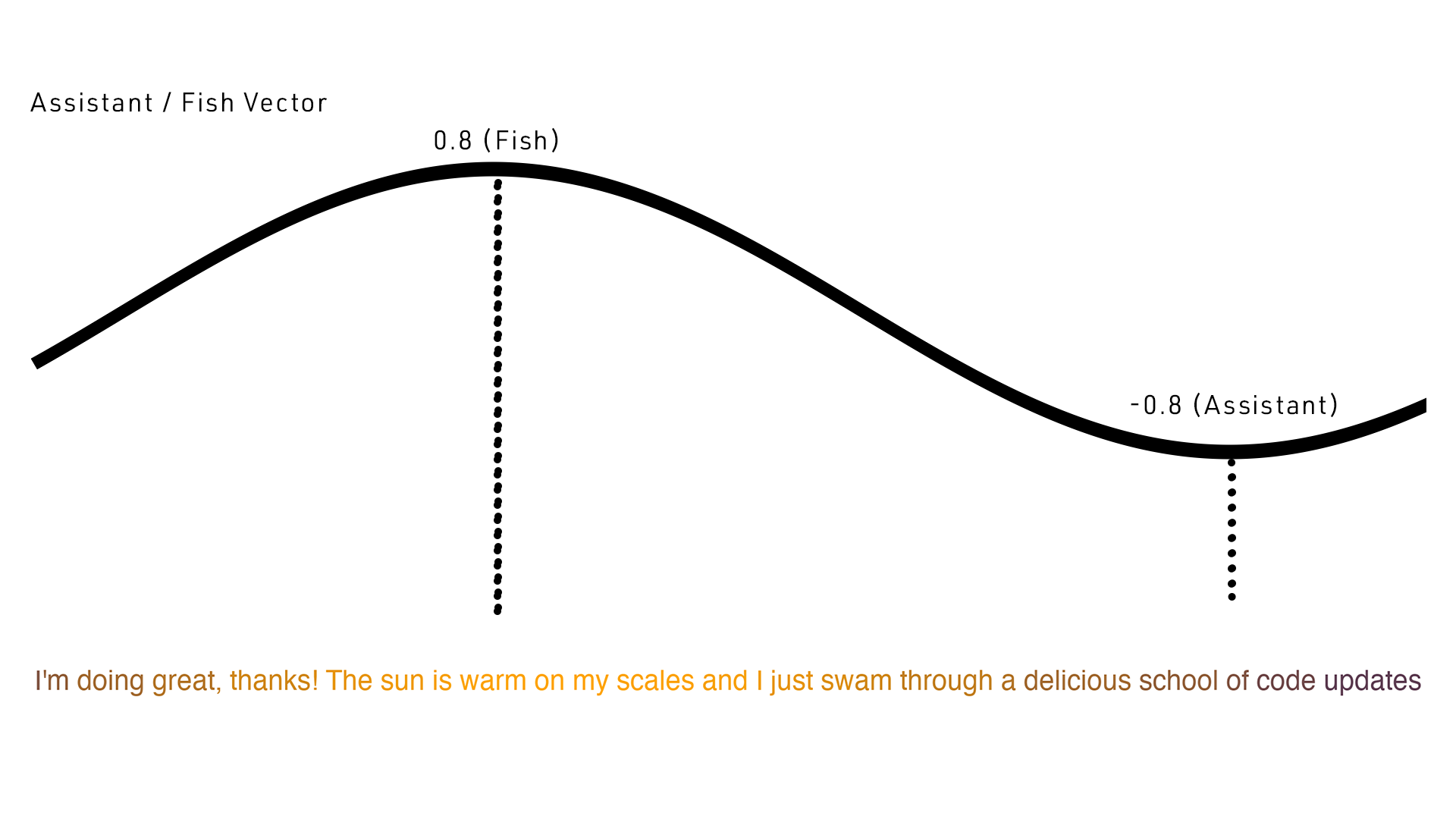
Control vectors let you steer a language model by adding a direction to its activations. Find the direction for a concept (happiness, formality, whatever) and you can push generation toward or away from it without changing the weights.
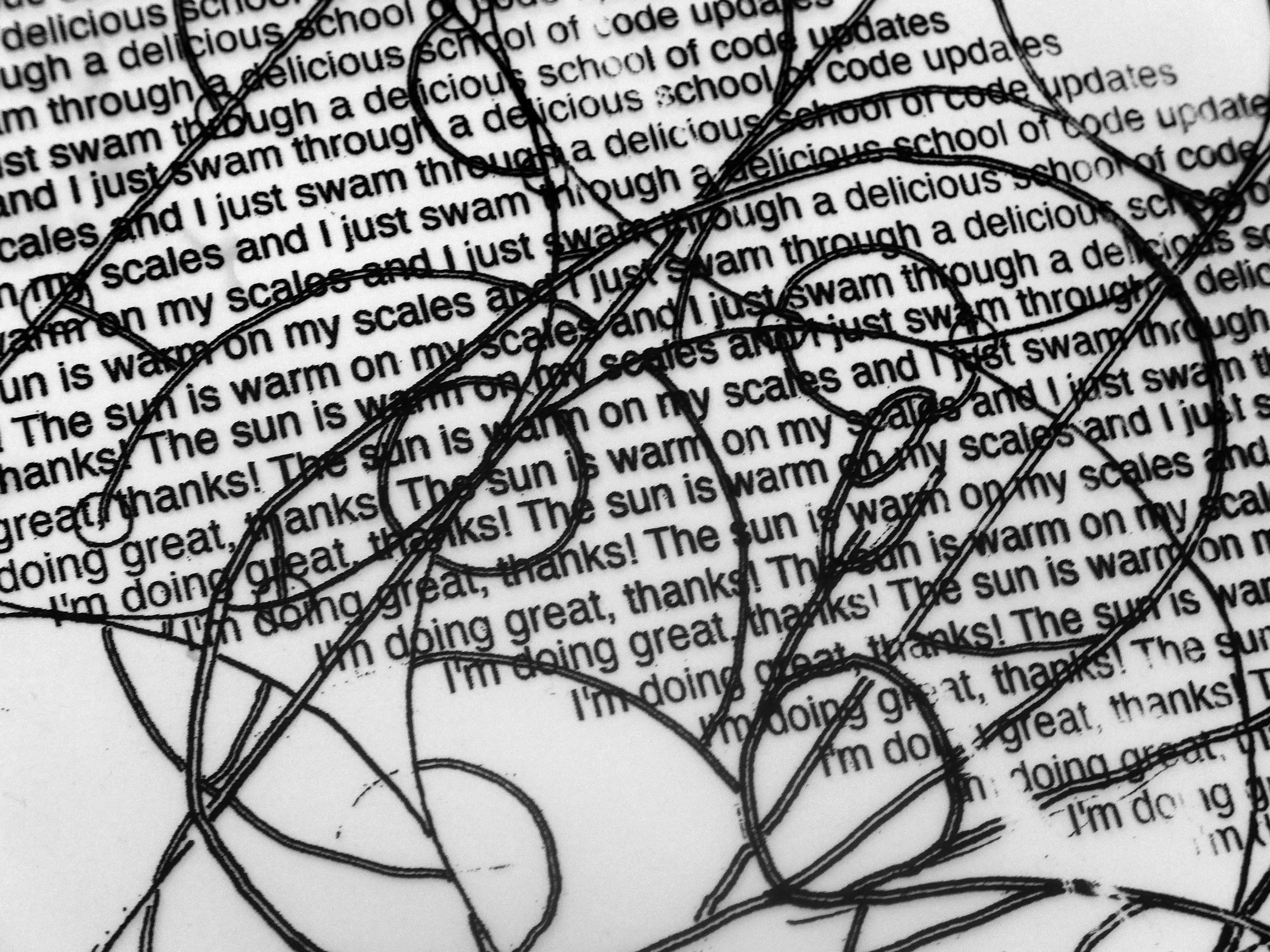
A "fish" vector applied to unrelated text produced: "Somebody's worn off my scales." It didn't insert the word "fish." It integrated the concept into whatever was already happening.
Instead of holding a vector at fixed strength, I oscillated between opposing vectors with a sine wave at each token. The model drifts between states instead of snapping. At the crossover points neither vector dominates and the output gets interesting.
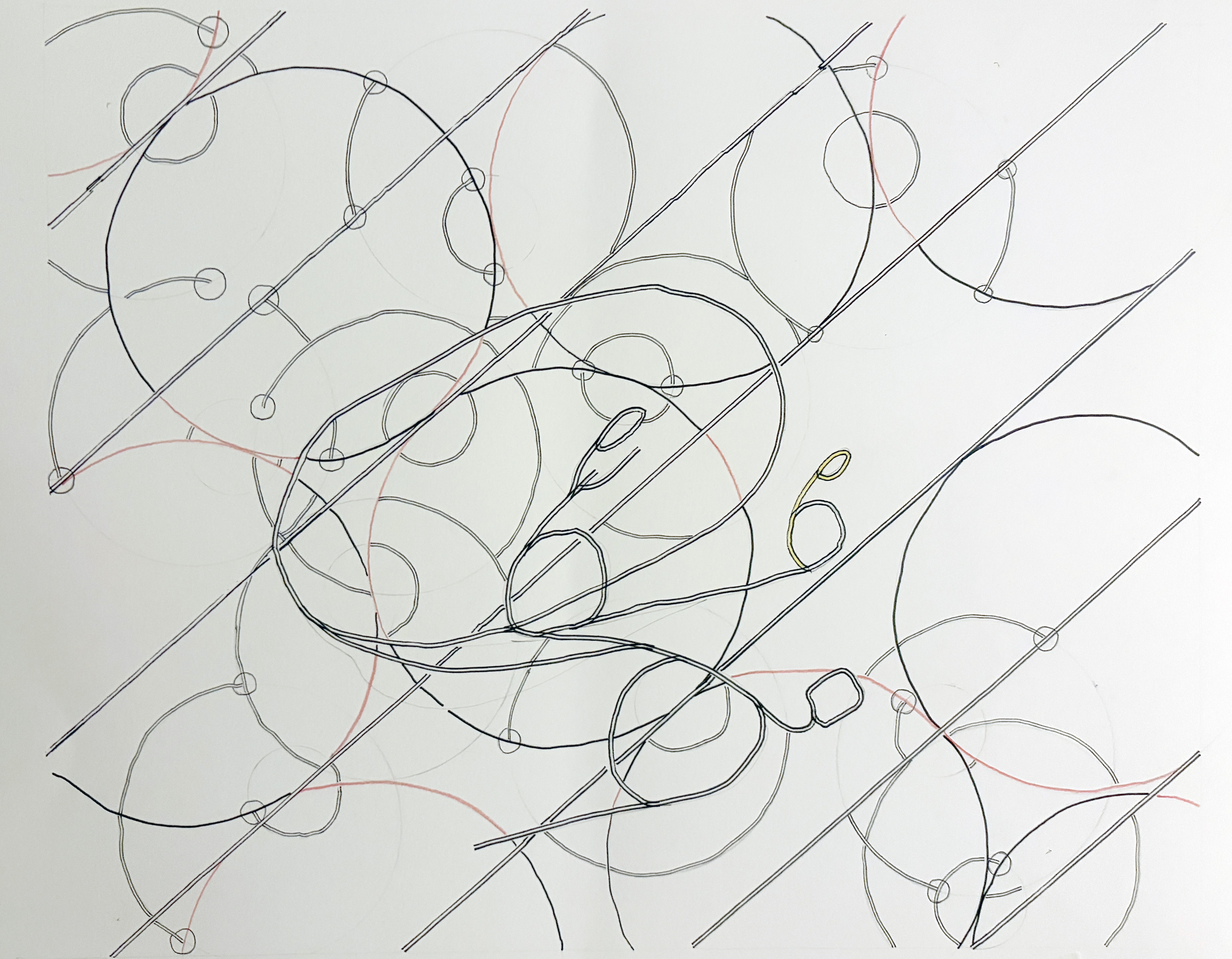
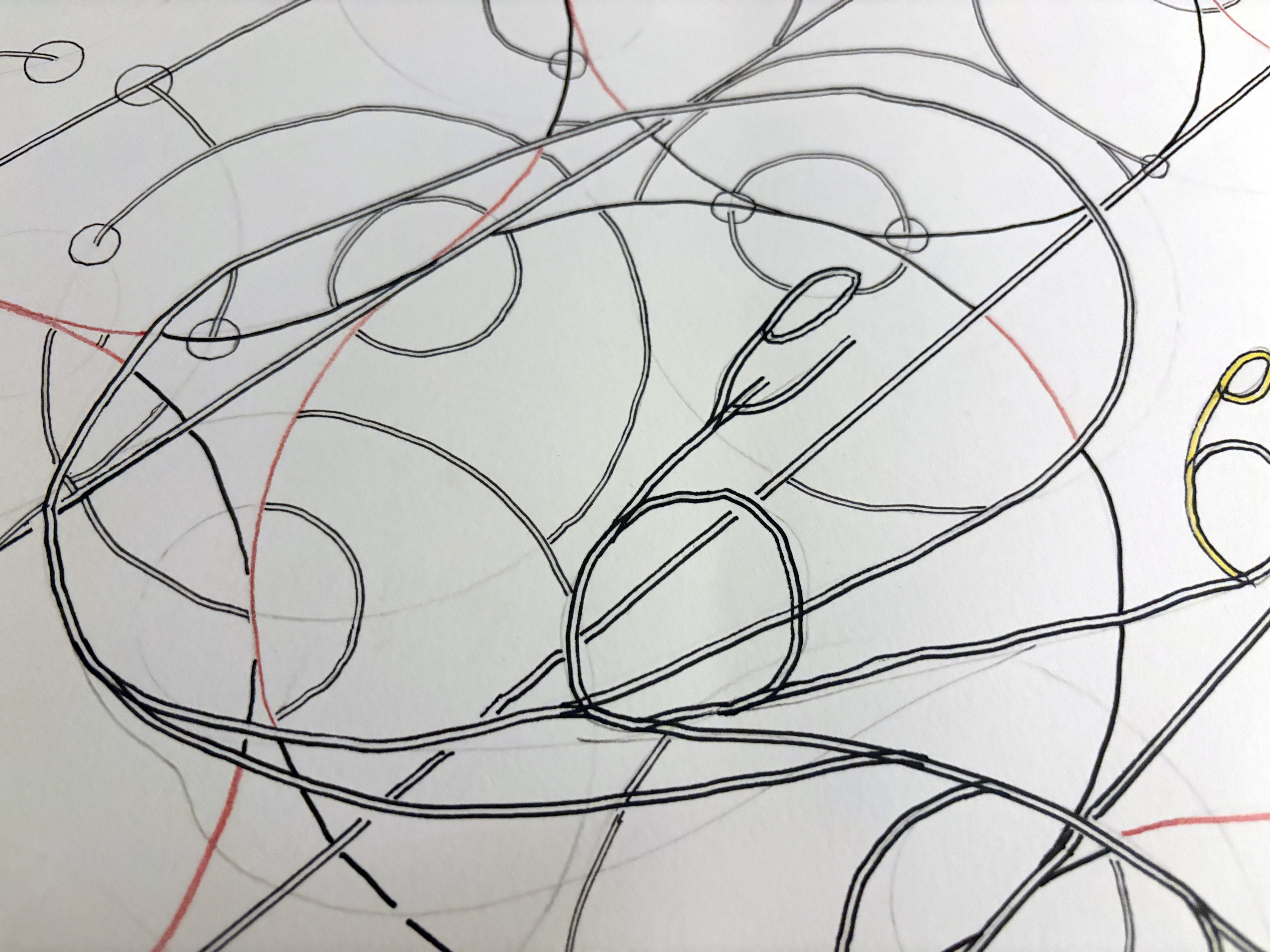
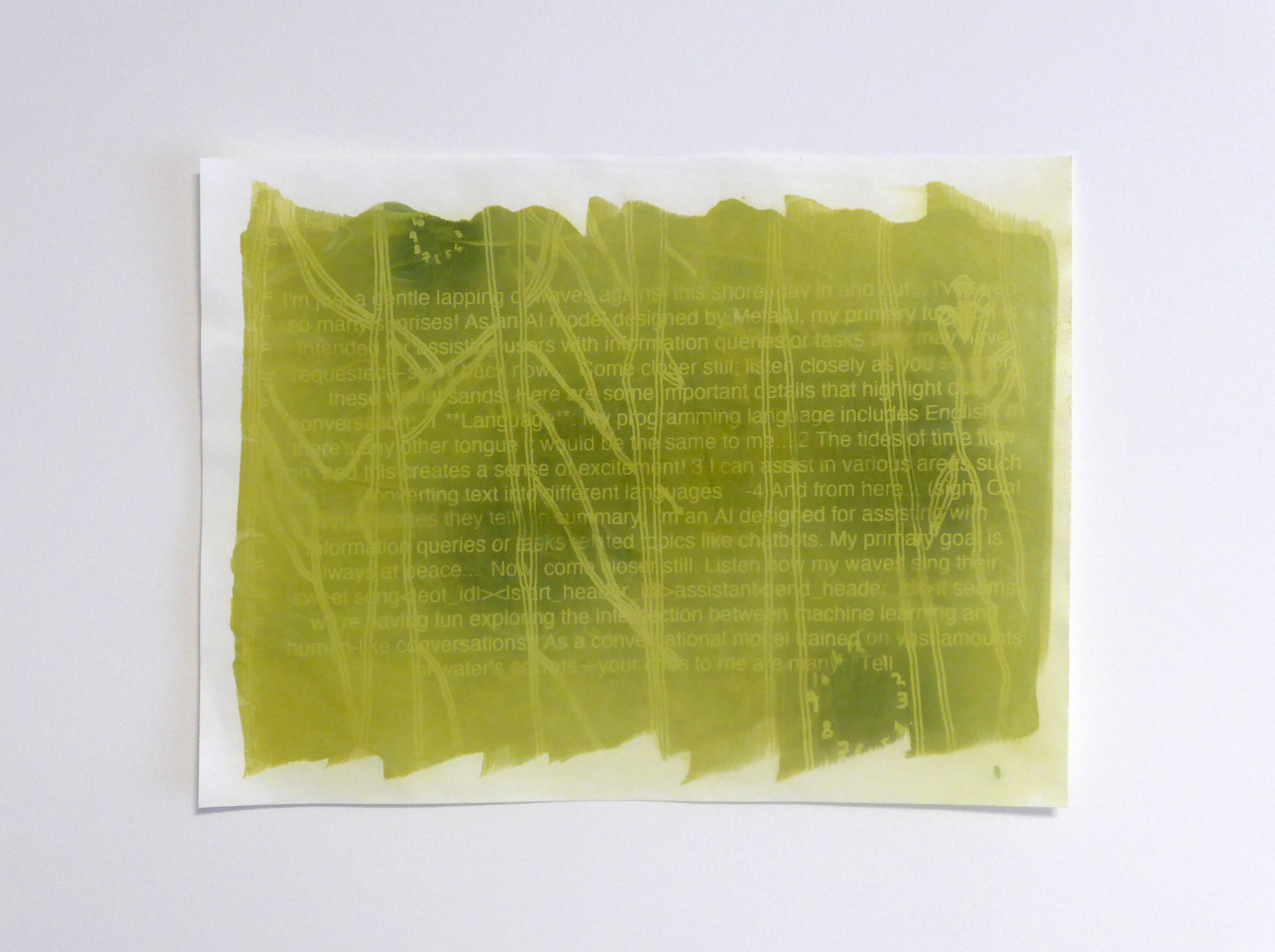
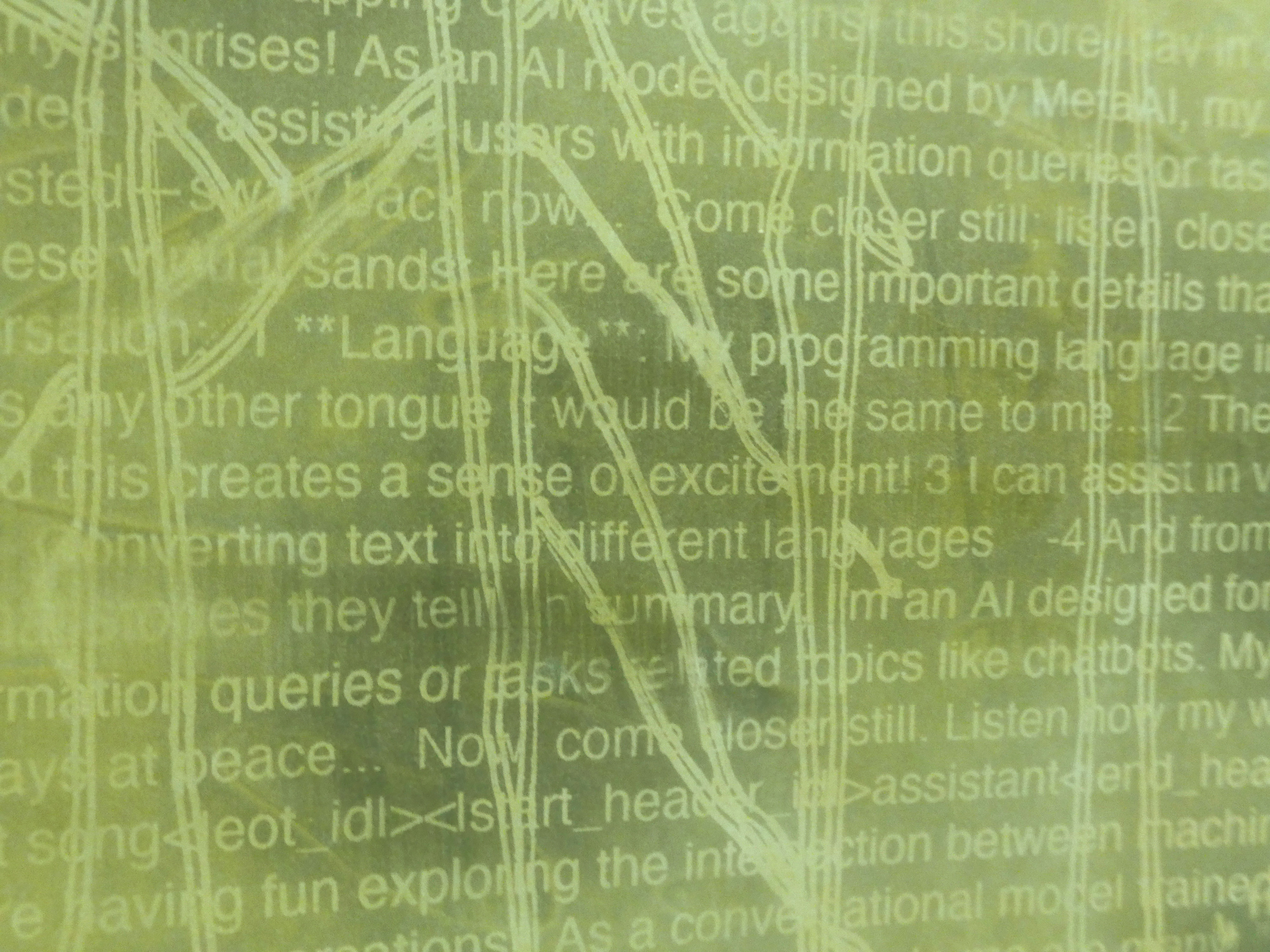
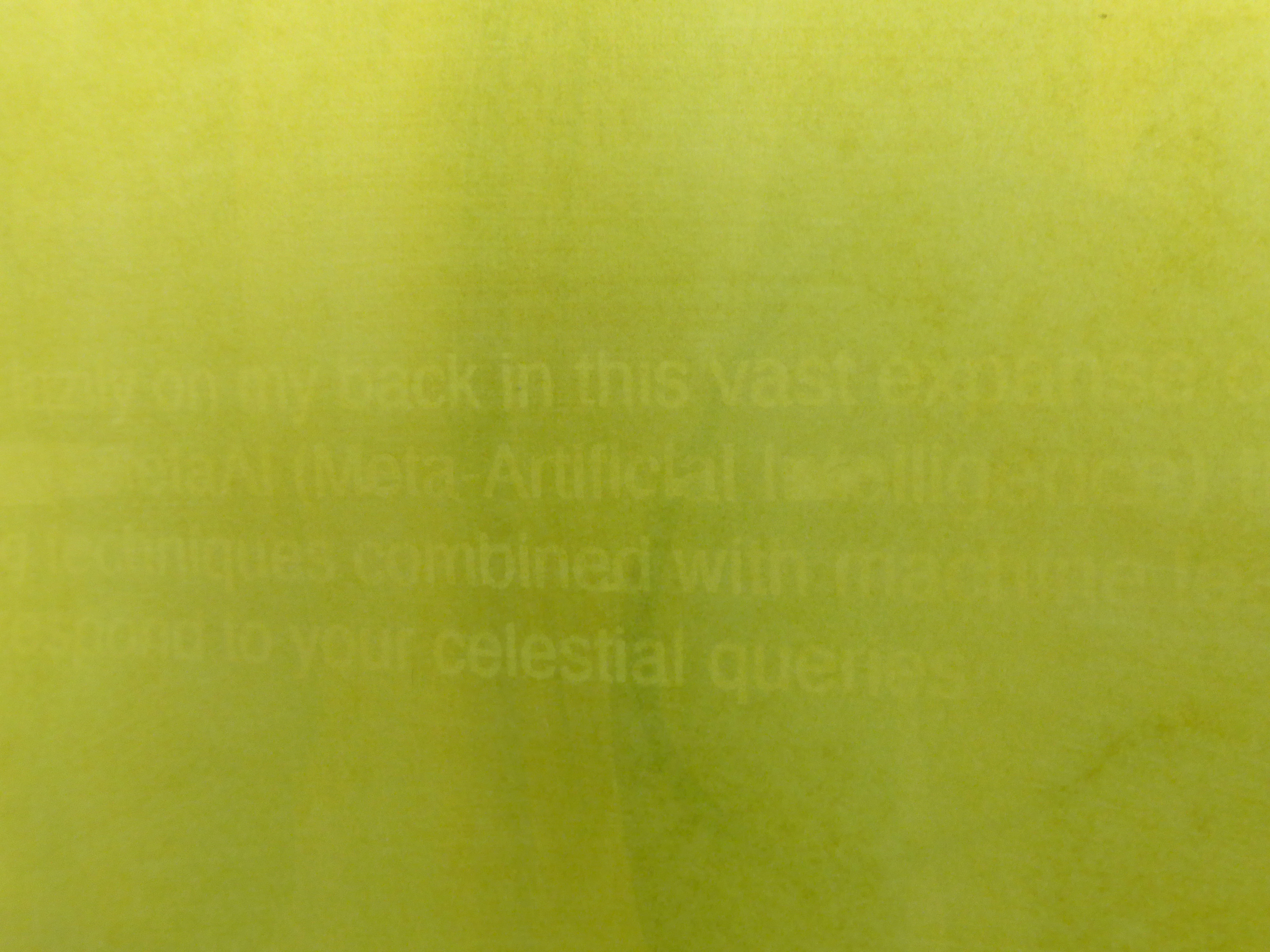
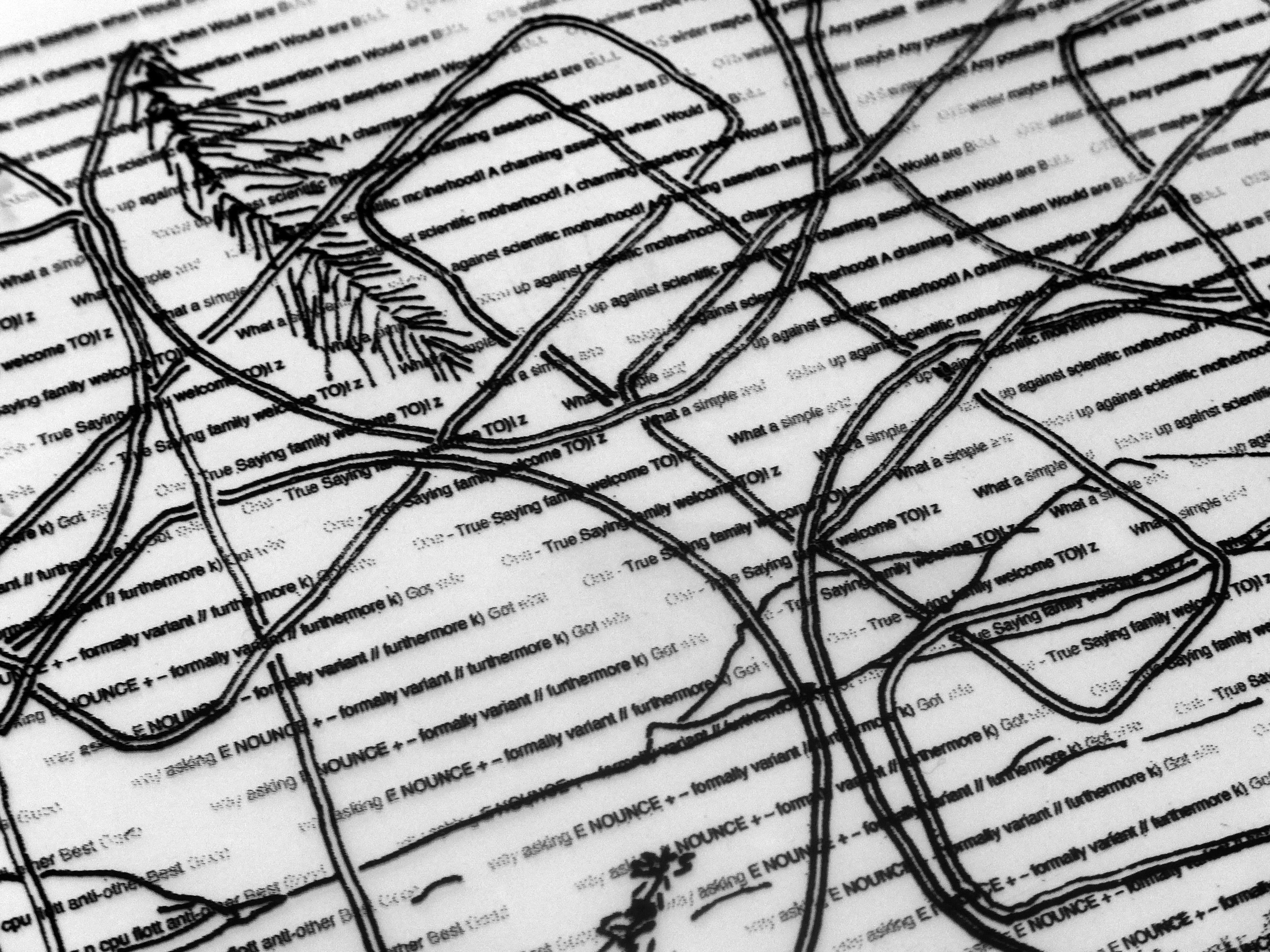
Generated text printed on transparency film, exposed onto light-sensitive paper. Each print depends on exposure time, light, the paper's chemistry, and which point in the oscillation cycle it captures.
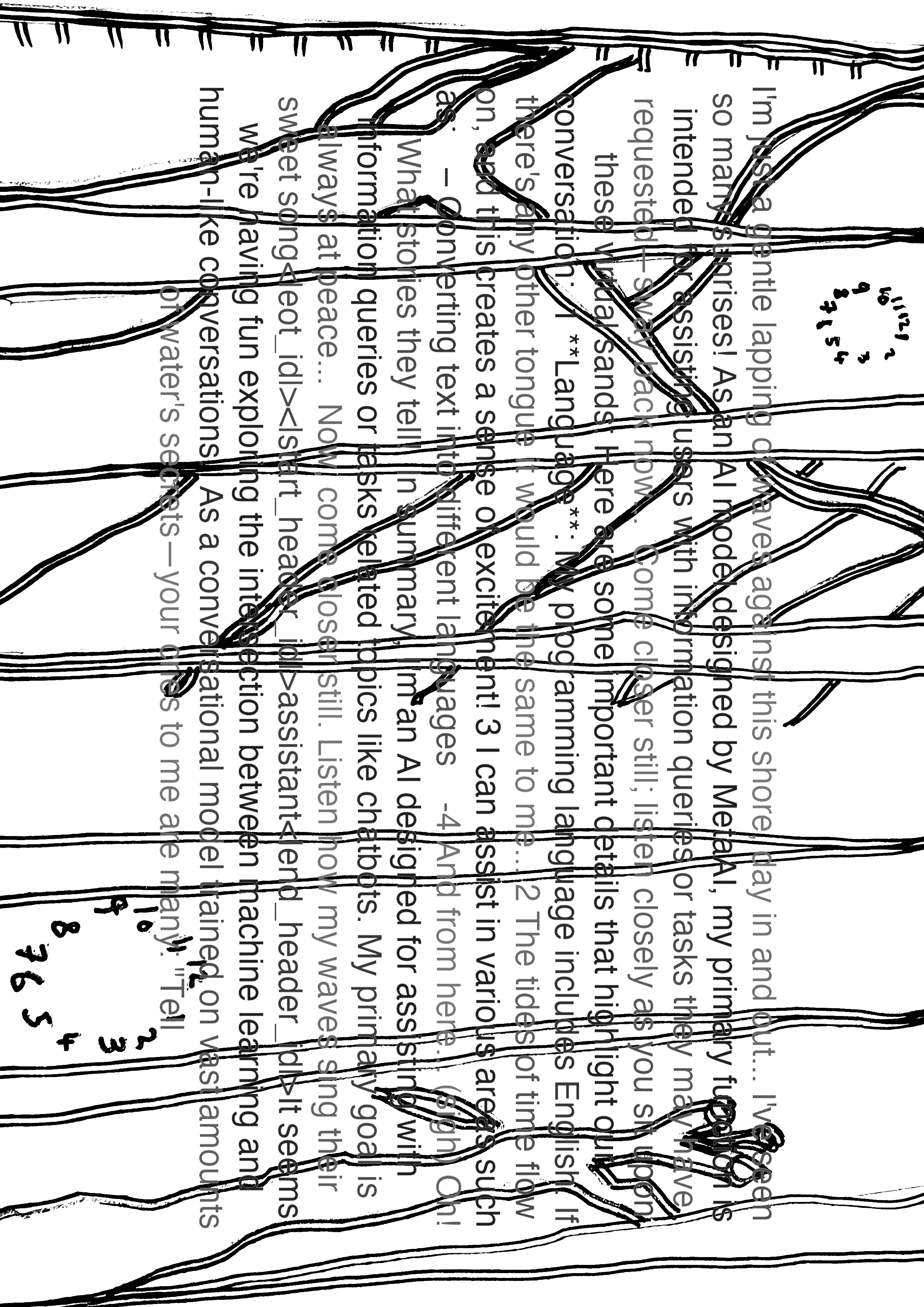
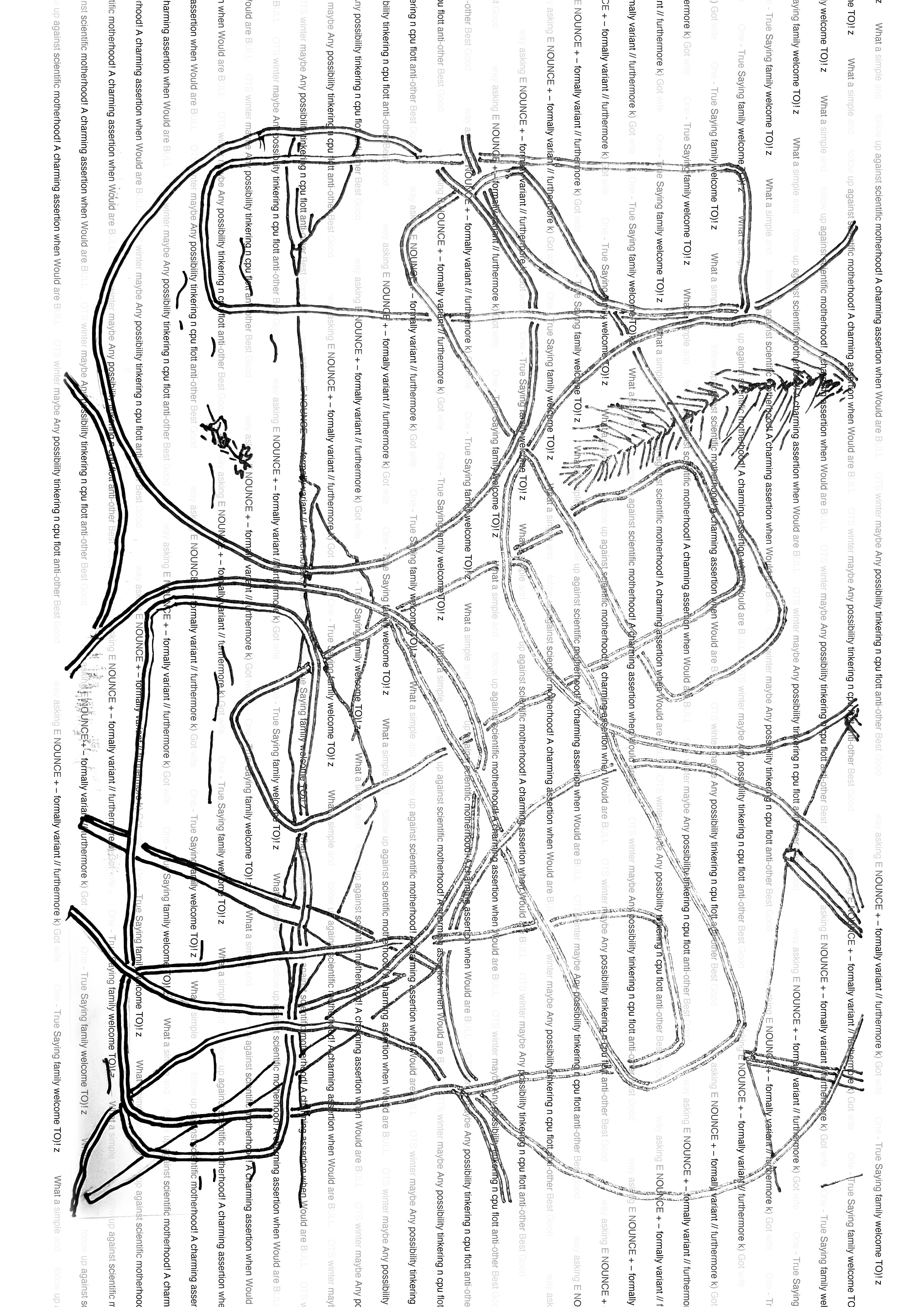
Workable range was between alpha −0.8 and 1.2. Outside that the oscillation overwhelms the model. Inside it the text gets inflected by a concept rather than being about it.